
Radiant heat, not just ambient
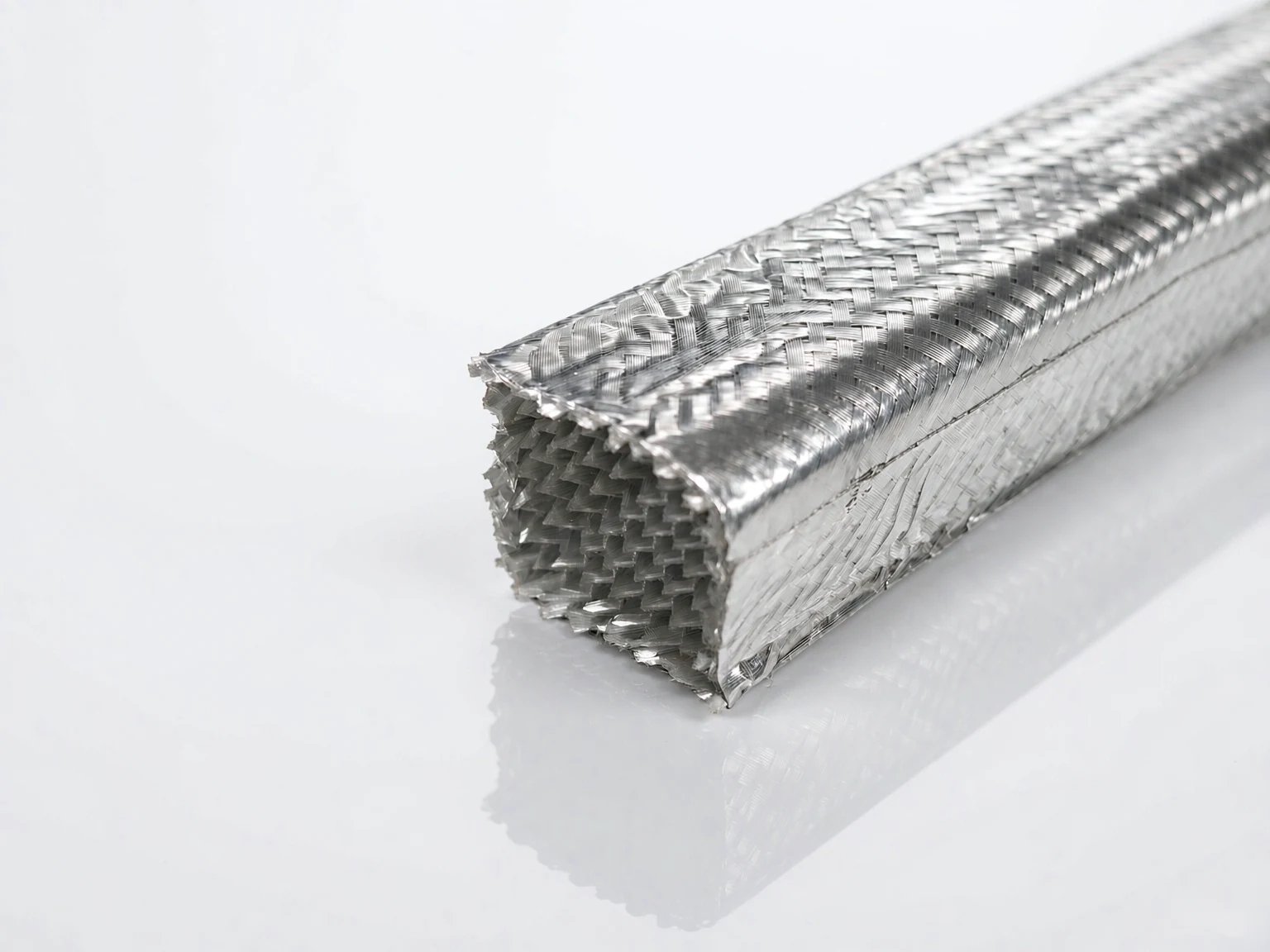
A reflective outer layer can cut the heat load far more than extra wall thickness. Placement matters as much as material.
Application · Engine Bay
Engine bay heat is rarely a single number. It is a combination of ambient temperature, radiant heat from the manifold or turbo, oil contamination and vibration - and the sleeve has to handle all four at the same point.
Application challenges
A reflective outer layer can cut the heat load far more than extra wall thickness. Placement matters as much as material.
Short-term peaks near the turbo exceed the continuous rating. Confirm peak temperature and duration.
Oil-soaked insulation loses dielectric performance. Choose a construction that resists the fluids actually present.
Engine-mounted harnesses vibrate continuously. Abrasion resistance and secure fixing determine service life.
Recommended materials
Reflects radiant heat while providing abrasion protection.
View detailsClass 200 dielectric protection where heat and voltage combine.
View detailsHigh-temperature protection for critical lines near exhaust components.
View detailsSealing and strain relief at connectors in the hot zone.
View detailsFlexible routing protection for the main harness run.
View detailsSelection checklist
Peak temperature: Continuous ambient, radiant source and peak duration
Distance to source: Clearance to manifold, turbo and exhaust
Fluids: Oil, coolant, fuel and cleaning chemicals present
Vibration: Mounting points, fixing interval and movement
Dimensions: Bundle diameter, sleeve ID and cut length
Documents: Flammability, RoHS / REACH and thermal data
Catalogue values describe the product direction we can supply. Confirm final drawing, grade, tolerance and test method before mass production.
FAQ
A reflective layer reduces radiant heat transfer substantially compared with an uncoated sleeve of the same thickness, but it works only if the reflective surface stays clean and facing the source.
It depends on construction and duration. Give us the peak temperature and how long it lasts and we will confirm a grade with margin.
Yes. Wrap-around and split constructions allow installation without de-pinning the connector.
Yes. Cut length, slit and marking can be specified per drawing, packed by station.
Quote and samples
Peak temperature, distance to the heat source, fluids present and bundle diameter are enough for a protection proposal.