
Thermal class
Compare continuous and peak temperature at the actual lead exit, not only the motor nameplate rating.
MOTOR ENGINEERING GUIDE
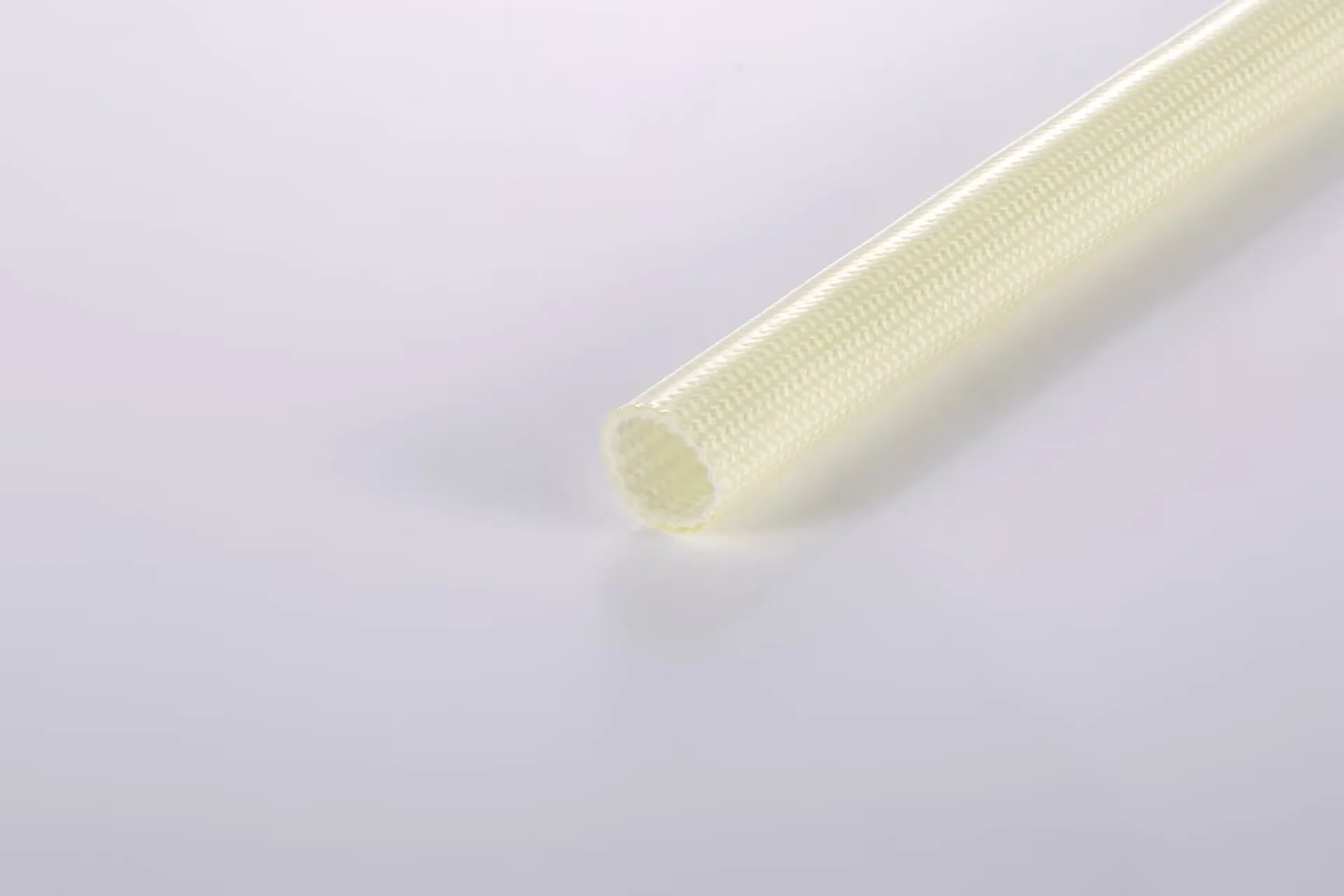
Motor lead wires need coordinated thermal, dielectric and mechanical protection. This guide explains how to select fiberglass insulation sleeving for winding exits, lead transitions and routed motor conductors.
WHY IT MATTERS
Lead wires operate near conductor hot spots, vibration, bending points, winding varnish and assembly pressure. A sleeve that looks suitable by temperature alone can still fail installation, abrasion, dielectric or compatibility checks. Select the coating, braid construction, inner diameter and wall build together with the motor insulation system.
Compare continuous and peak temperature at the actual lead exit, not only the motor nameplate rating.
Confirm voltage, dielectric test method, wall build and clearance requirements for the finished assembly.
Check bend radius, vibration, abrasion, insertion force and cut-edge behavior in a production-representative sample.
SELECTION CHECKLIST
MATERIAL DIRECTIONS
A practical direction for many 155°C-class motor applications where dimensional stability and cost balance matter.
A 200°C-class direction for higher thermal demand and structured electrical insulation.
View the product pageA flexible direction for routing around motor assemblies where installation and bend compliance are important.
PROJECT SUPPORT
Send the conductor diameter, temperature, voltage, bend conditions, fluid exposure, approval target, color, cut length and estimated annual demand. WCW can review the conditions and recommend a suitable construction.